We spent our last hours in the Colombian Amazon walking through the indigenous town of Mocagua to get to the Maicuchiga monkey reserve.
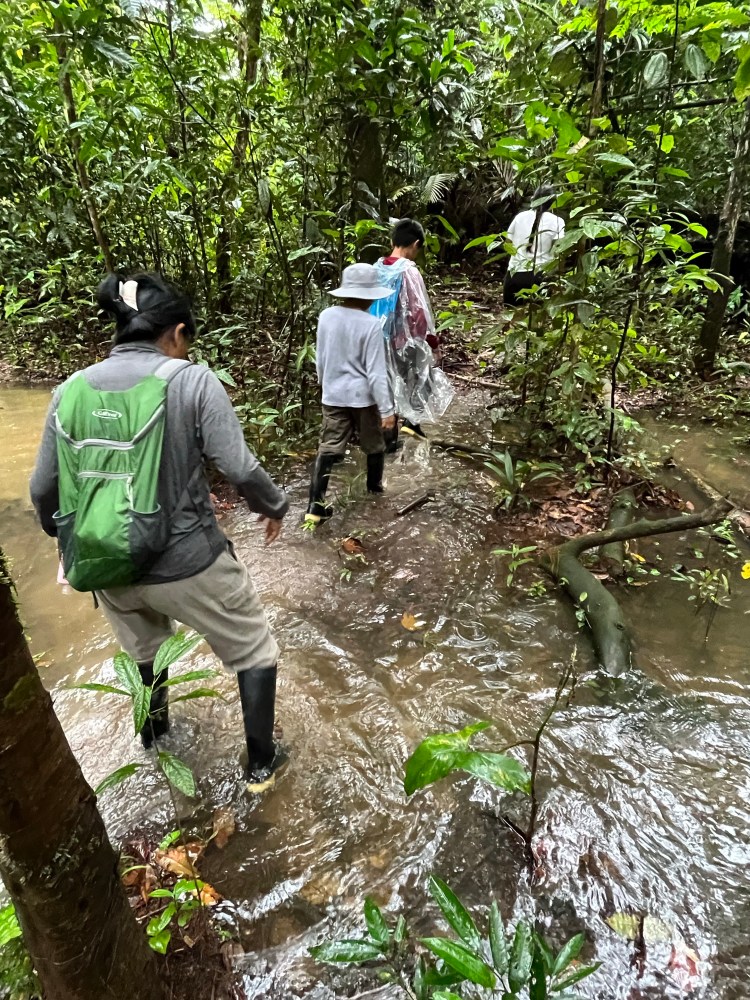
For what it’s worth, this town of 900 or so indigenous people is a prime example of the result of ecotourism. Money brought in at a small scale to help “improve” the lives of the indigenous. For example Mocagua sells vegetables and provides local guides to the neighboring lodge. It also earns tourist dollars via souvenirs and the tourist tax, paid at the Mocagua office of tourism as well as the airport.
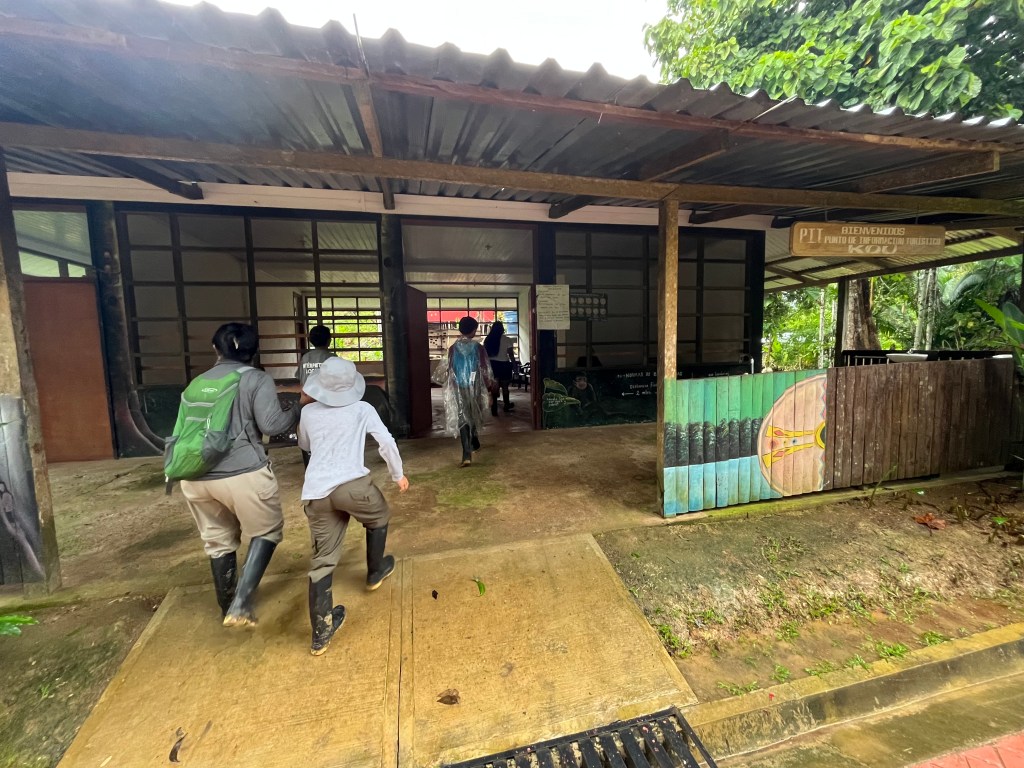
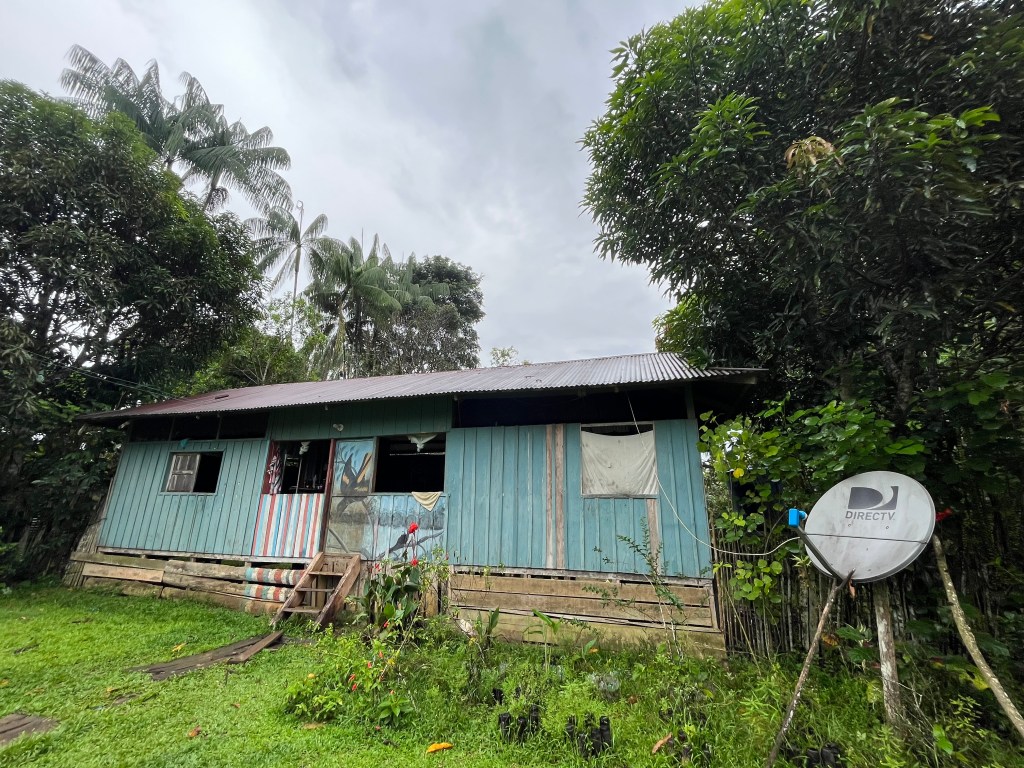
The town has satellite cable, solar panels for electricity and you can hear modern Spanish influenced music pumping out of home stereos.
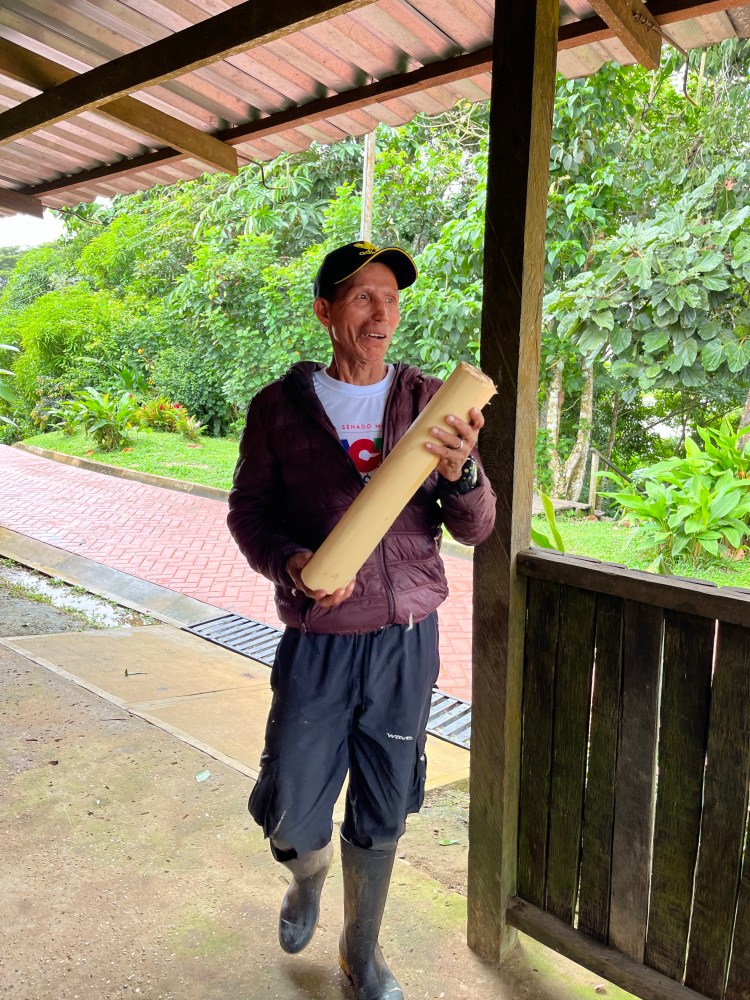
On the walk over we saw one of the kitchen staff making his way through the jungle to the lodge for work and we also saw our guide from the medicinal walk at his house. Later he showed up with a piece of wood that’ll become a part of Hudsons wa’a project. This dude came through!
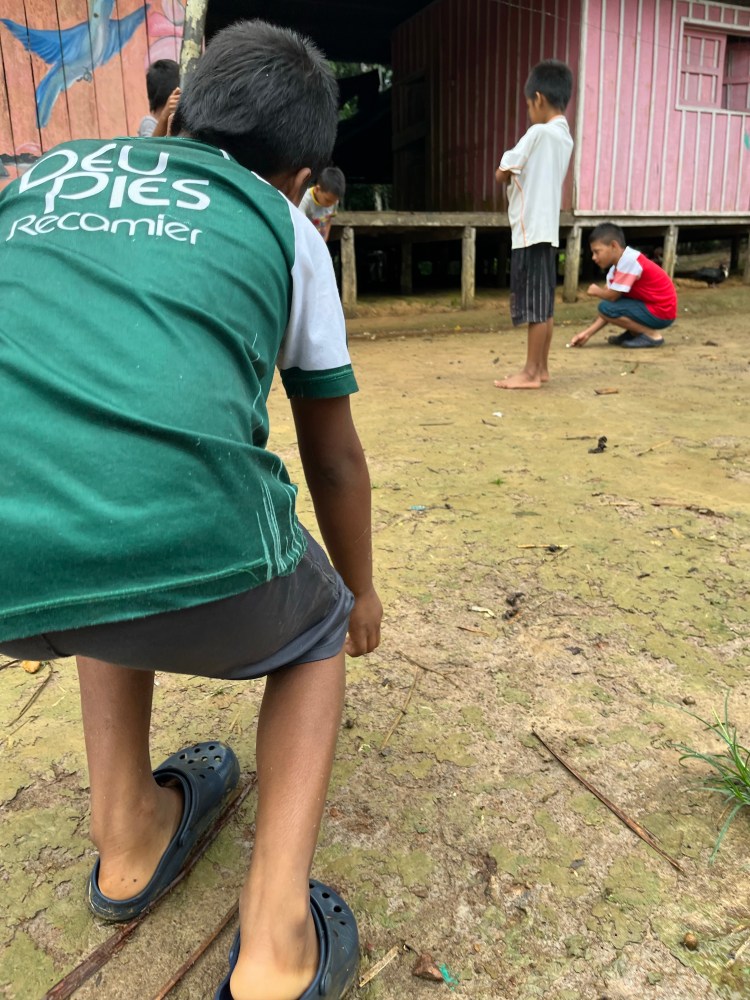
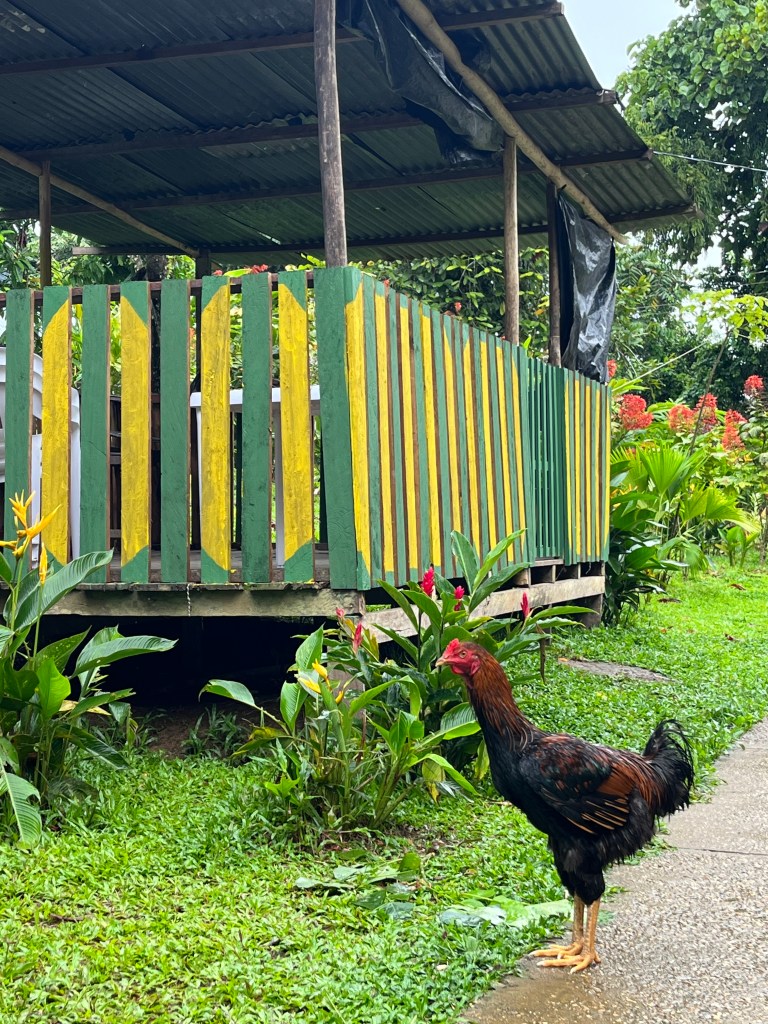
Here’s a couple of kids playing marbles out in the yard and an oddly lanky chicken roaming about
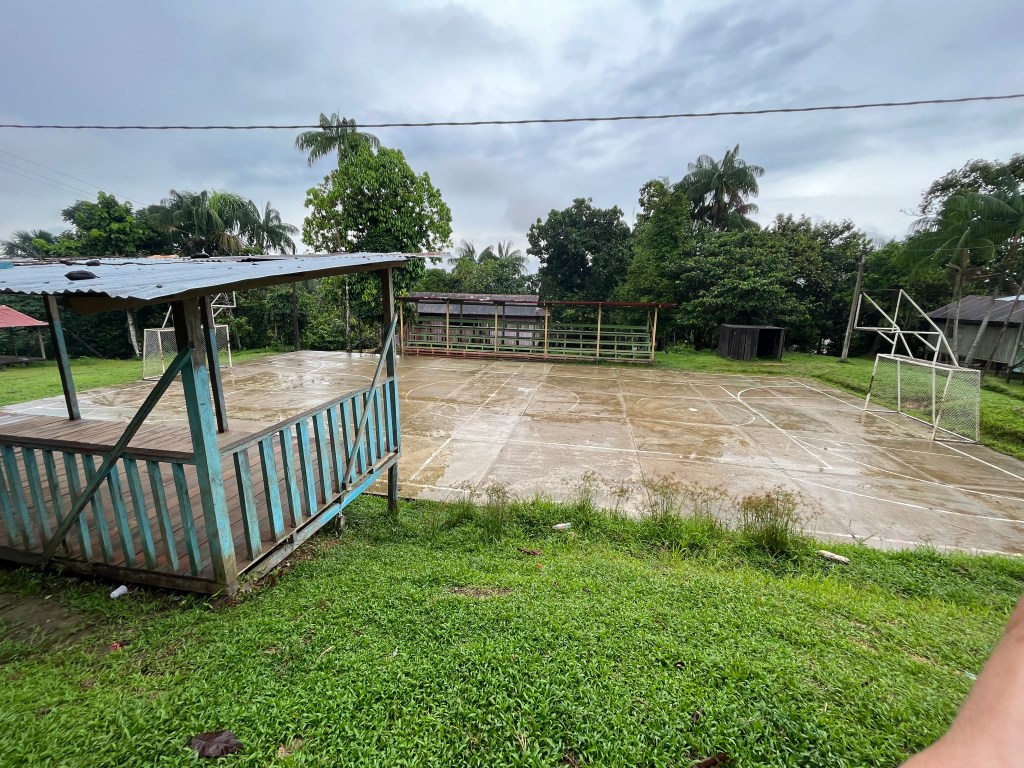
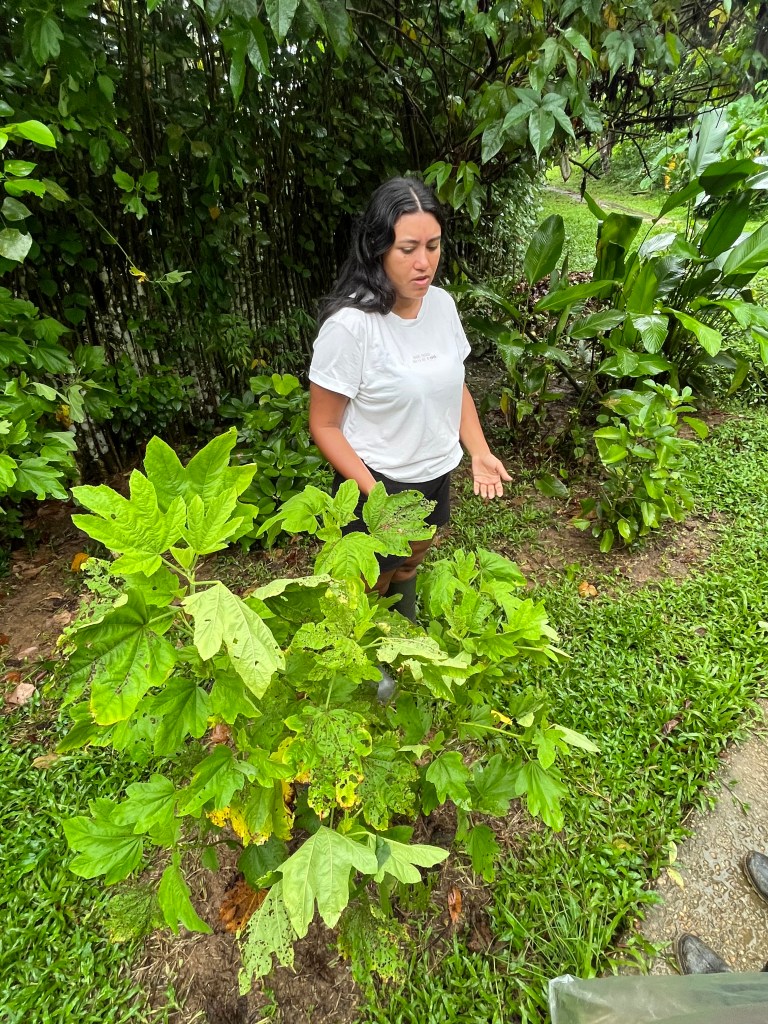
At left is the essential football/soccer field and to the right is a village medicinal garden-ordinary looking plants with medicinal qualities.
Maicuchiga hospital/reserve
This reserve is mostly open to wild visiting monkeys who come in from all around the jungle to have a bite and go on their way.
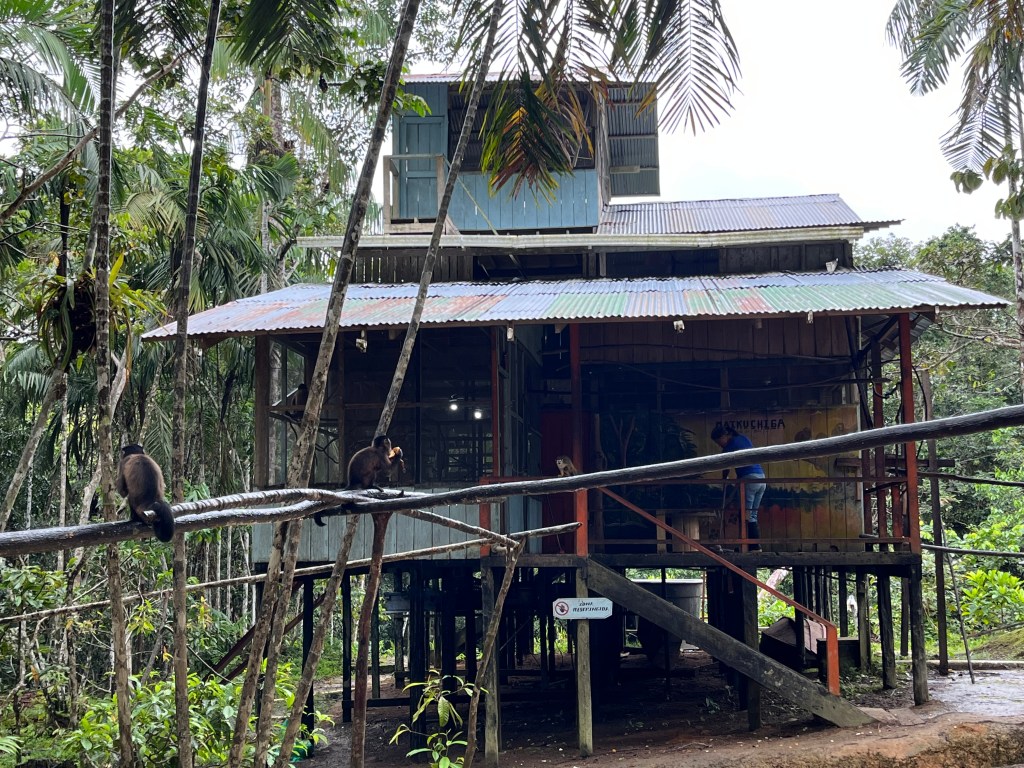
They can come and go as they please. Most of the monkeys we saw were roaming about the reserve freely.
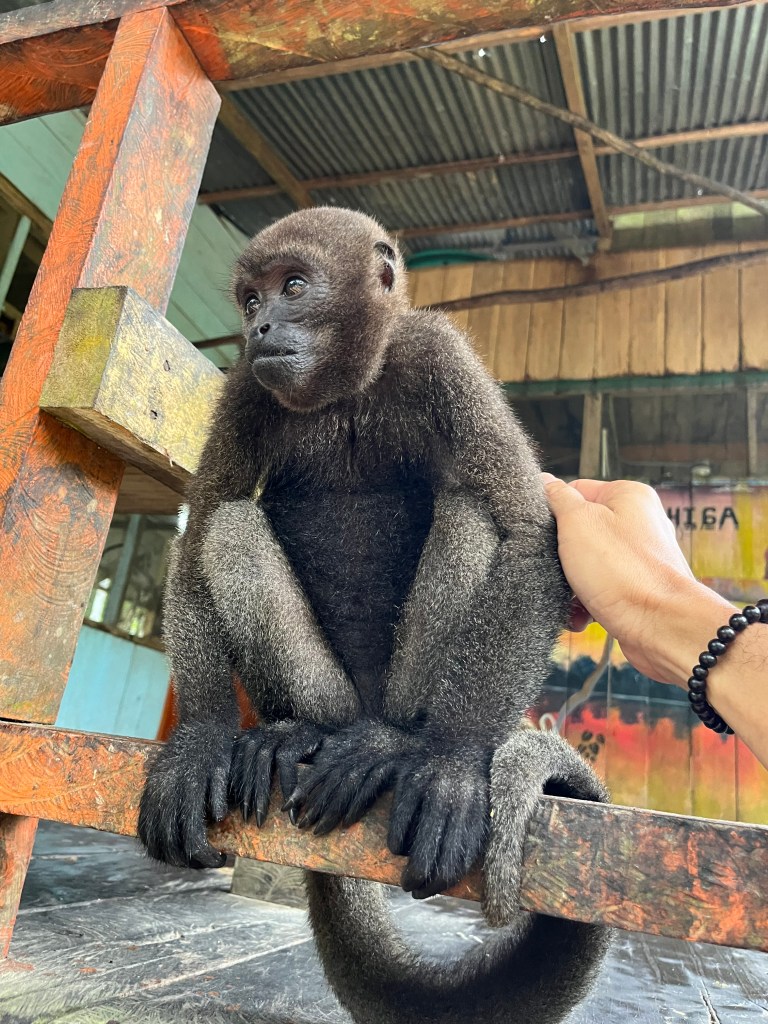
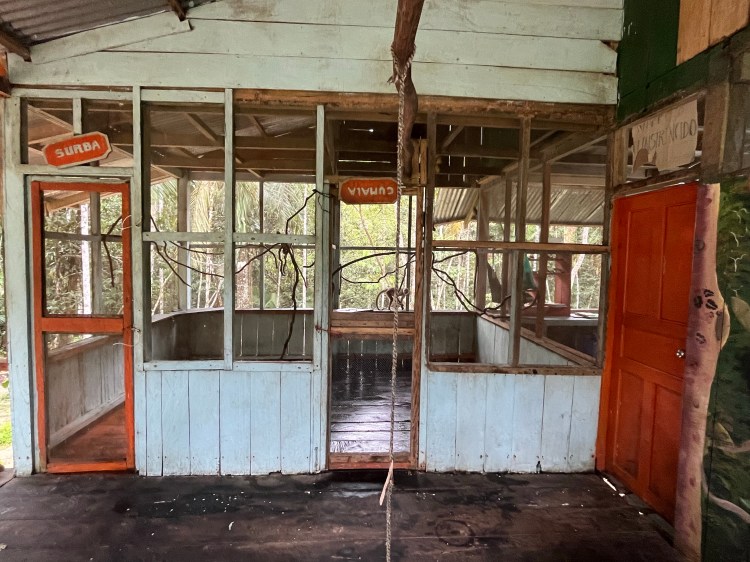
The monkeys who get rehabbed here are typically confiscated monkeys who have been traditionally kept by villagers as pets, black market animals like snakes and tarantulas and orphaned monkeys whose parents have been killed. After a period of reacclimatizing (30-40 days) to the other animals they get eventually get released. Here’s one of the isolation rooms.
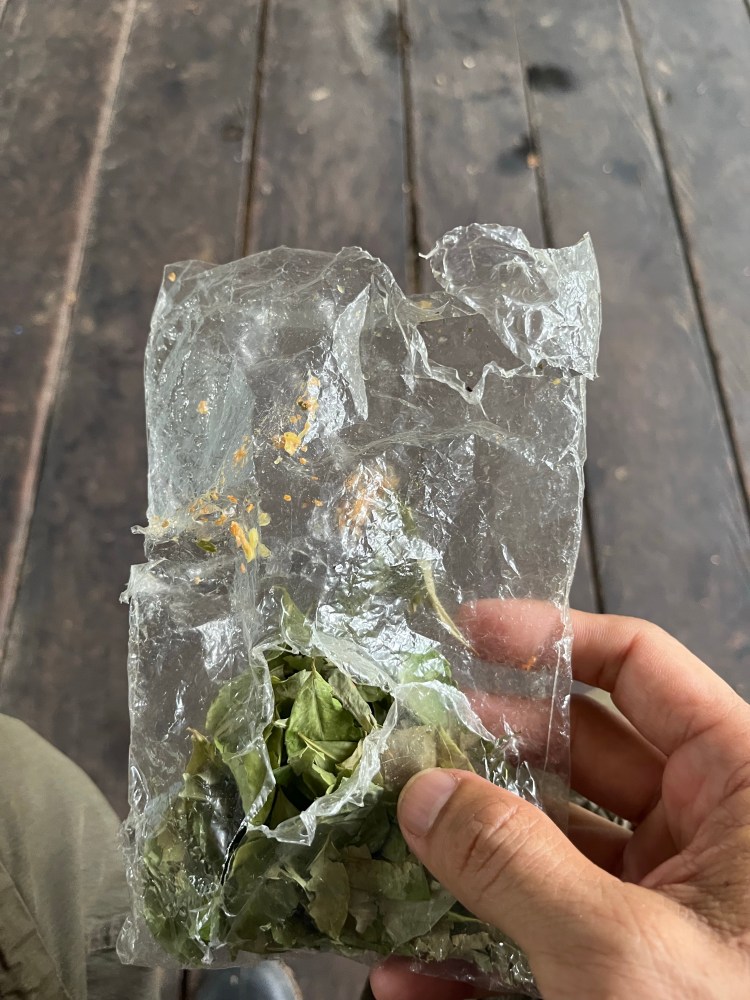
The government has the difficult job to convince the indigenous people to change some of their traditional ways into modern ones that will conserve wildlife. There is a shift from consuming red meats as protein to consuming fish and chicken. The downside in my opinion is that bit by bit although the towns quality of life “improves” , they begin to look less rustic and more modern. Good or bad? You decide while I get my coca leaves stolen by a capuchin monkey.
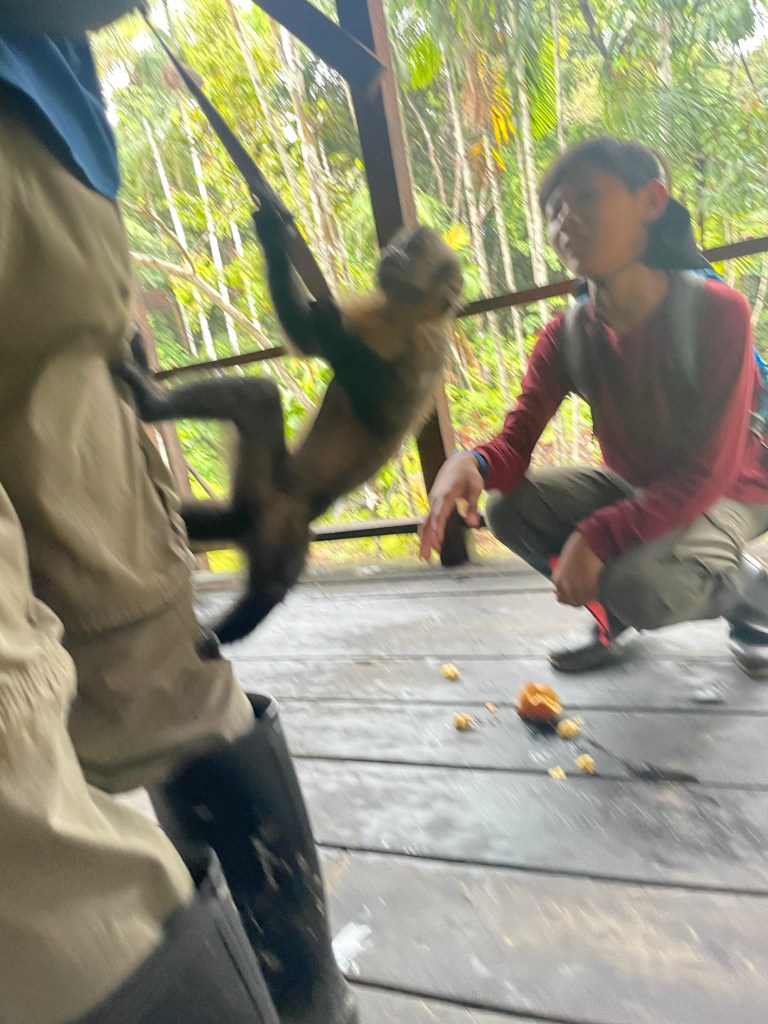
I heard my kids yelling to me and in a split second I was pickpocketed by Edgar the cappuchin monkey. Apparently capuchin monkeys are used by professional thieves to pickpocket peoples’ personal items due to their knack for said skill.
The keeper went and got my coca leaves back from the second story of the reserve structure.
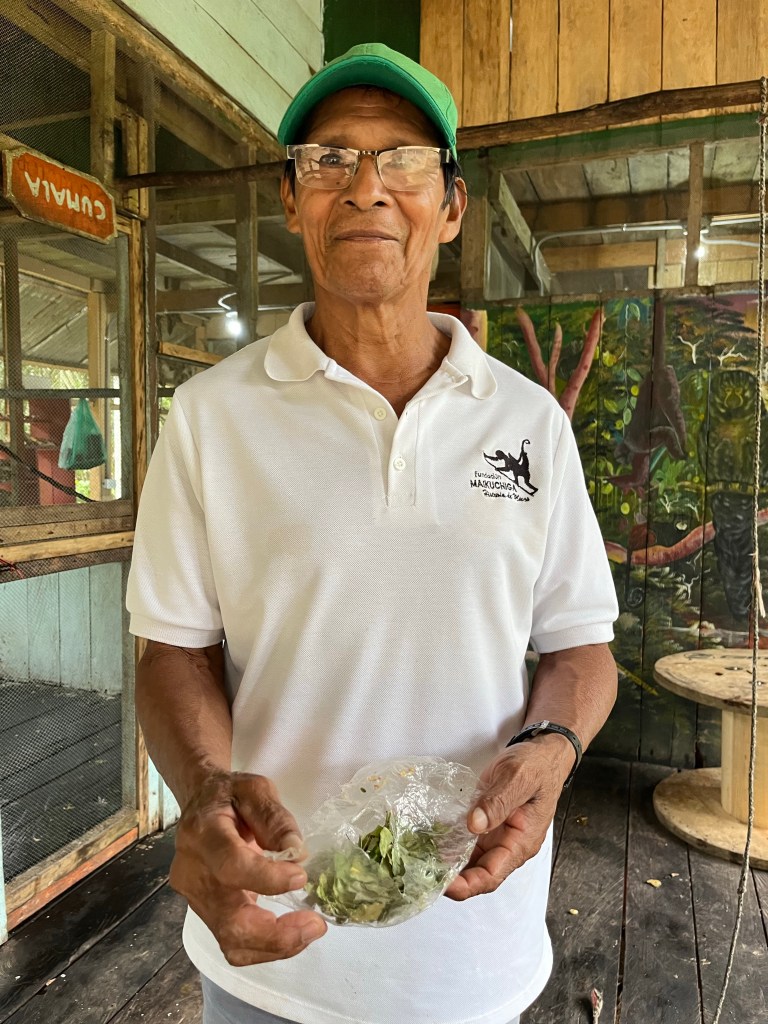
On second thought, you can have it back. Bleh.
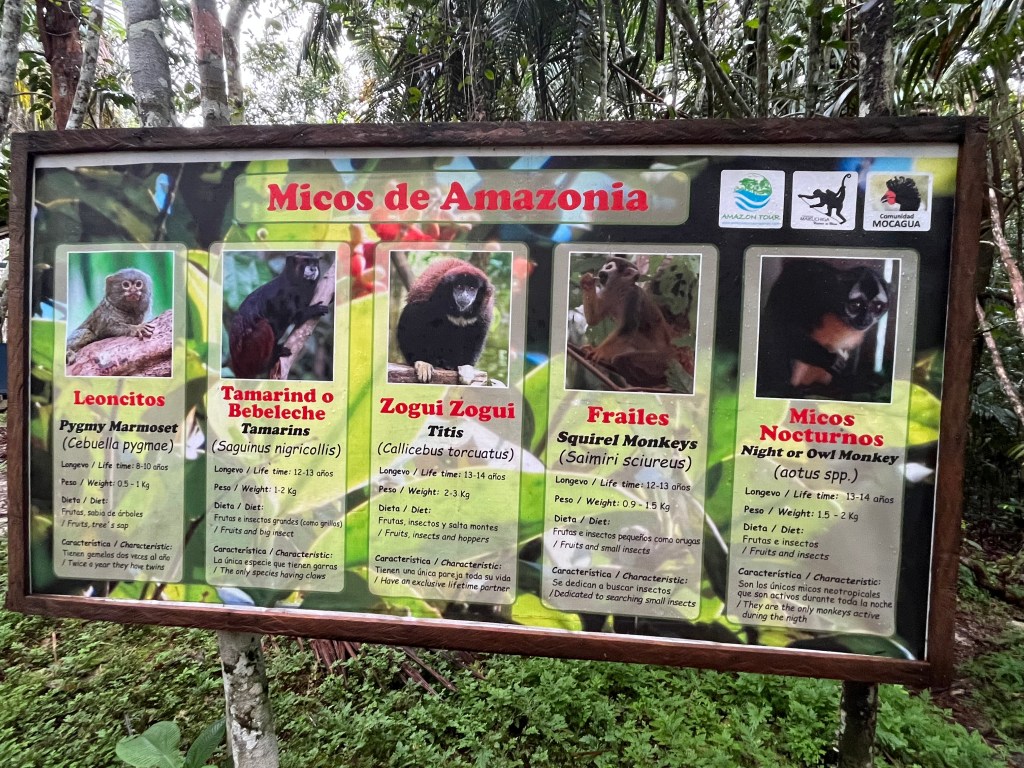
The center is funded mostly by visiting tourists like ourselves, hence ecotourism. It gets no government funding, just support on paper. The bulk of the centers costs are vitamins and medicine for the animals.
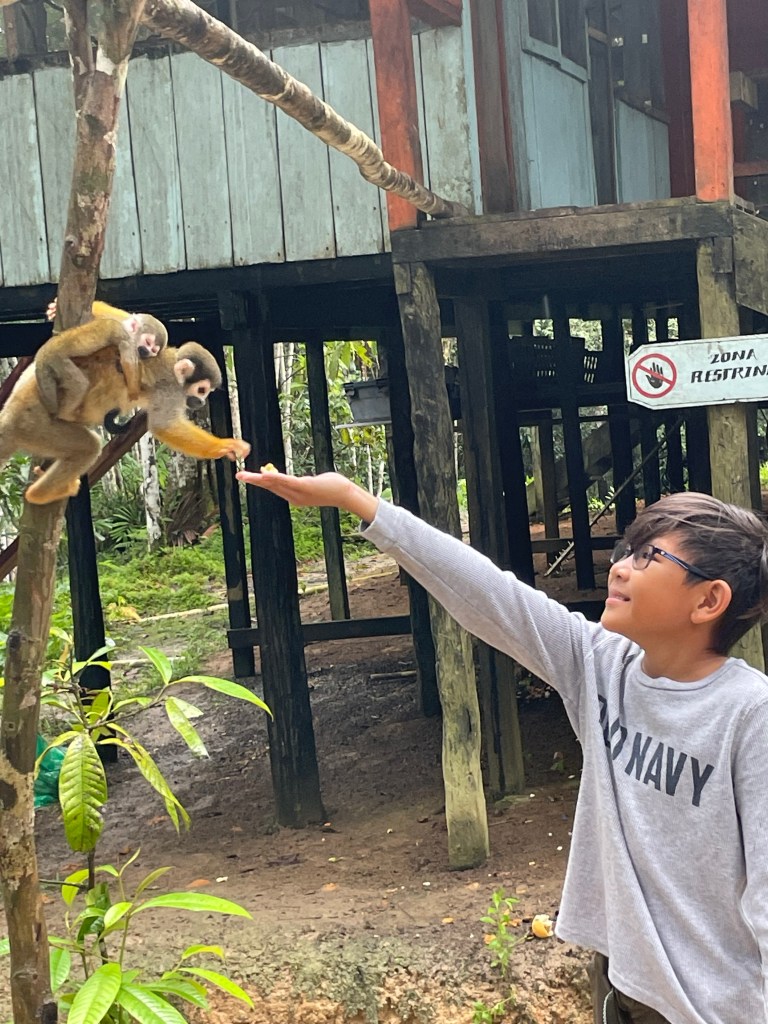
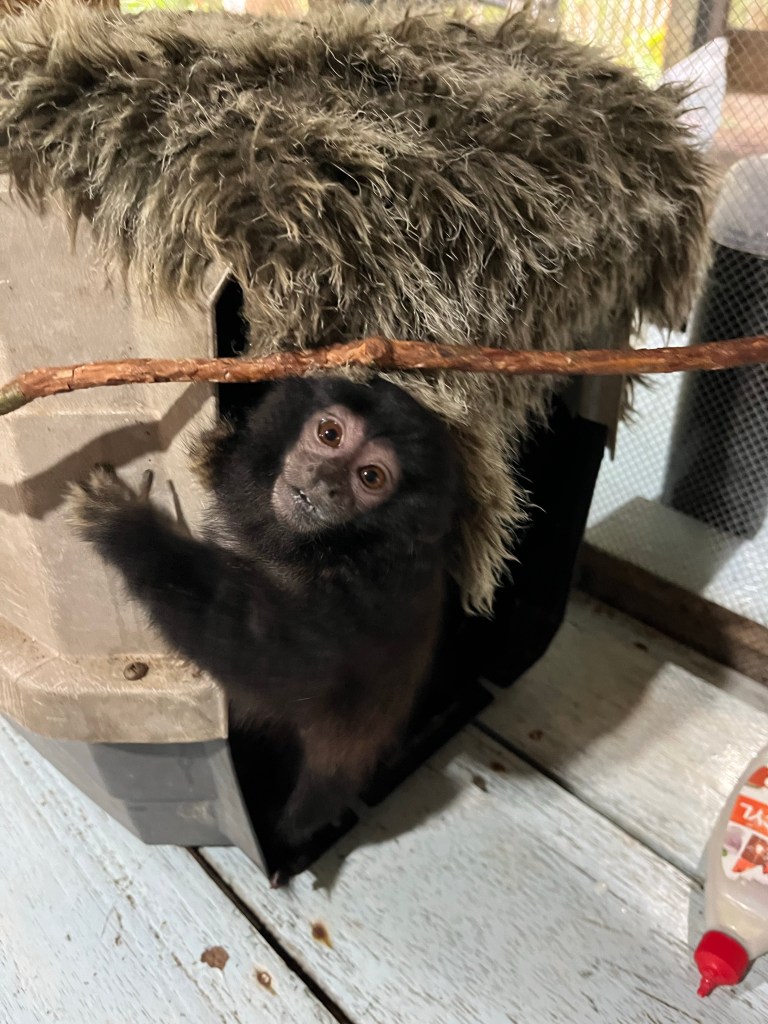
A 6 month old Capuchin Monkey. Don’t touch. So cute! Must resist. The name of this monkey is amusing because there are Catholic Cappuchin Monks in Italy.
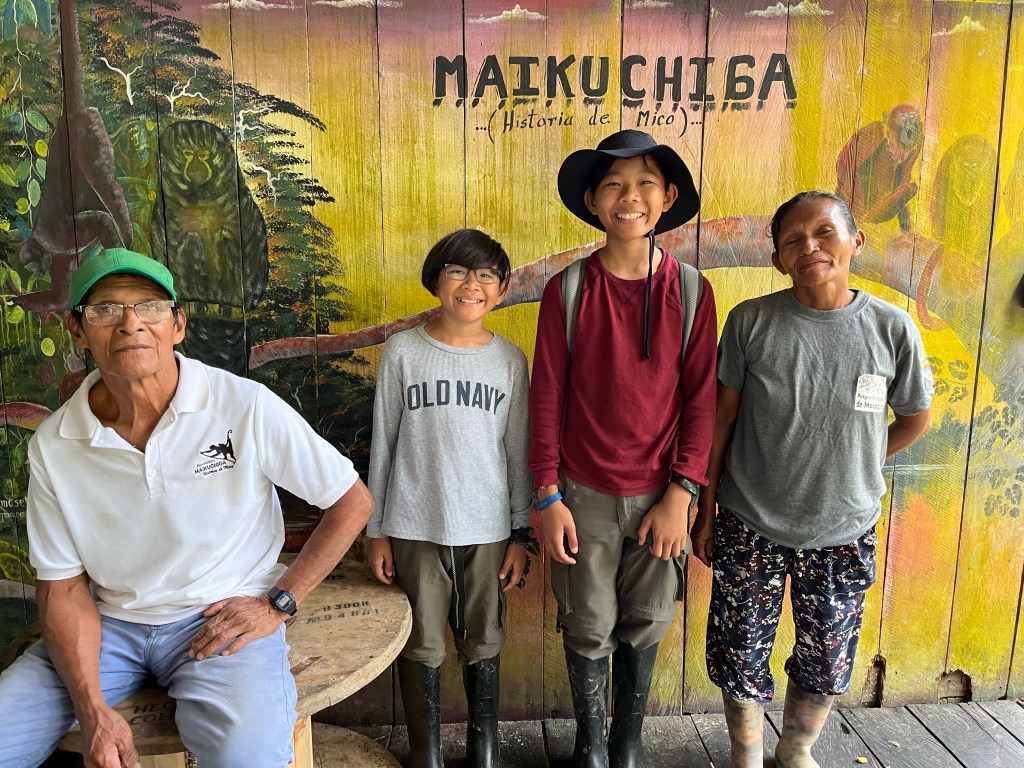
Thanks to our indigenous hosts!
We began to make our way back to Bogota for a few hours before getting homebound back to Hawaii.
Monserrate, Bogota
At the highest hill overlooking Bogota sits The Sanctuary of Monserrate, a church perched atop a mountain. You can hike up, take a cable care or a funicular. We went up for the night views
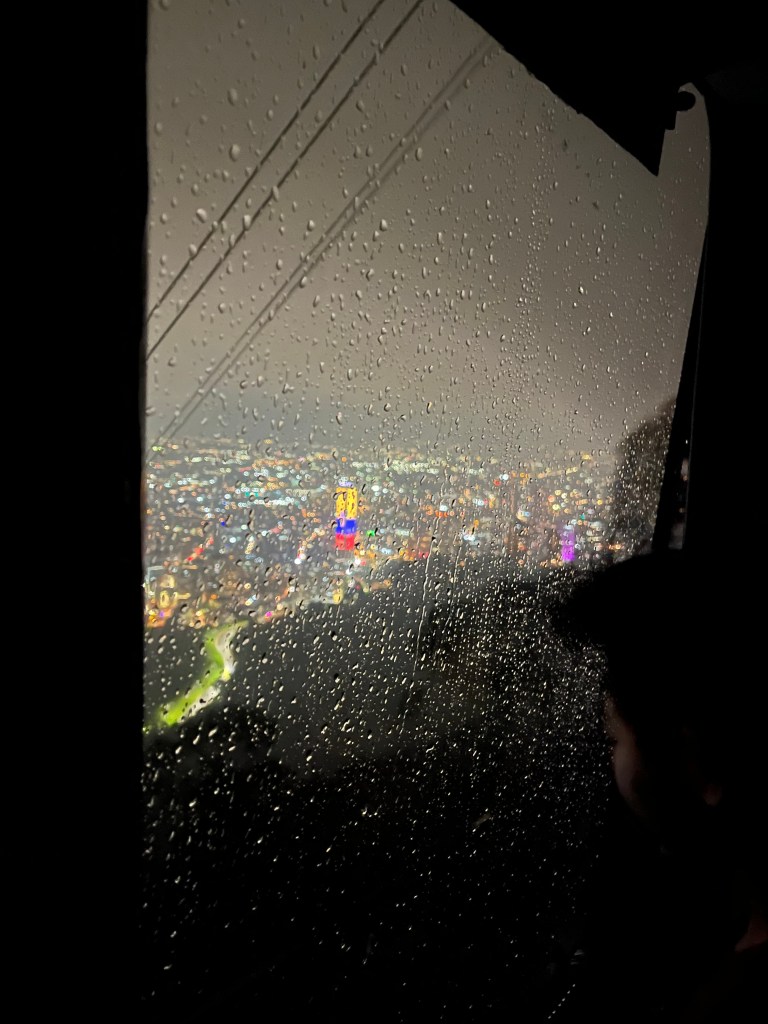
We almost literally went from Amazon level up to 6000 meters above sea level. Here we are catching our breath. See? everything’s blurry.
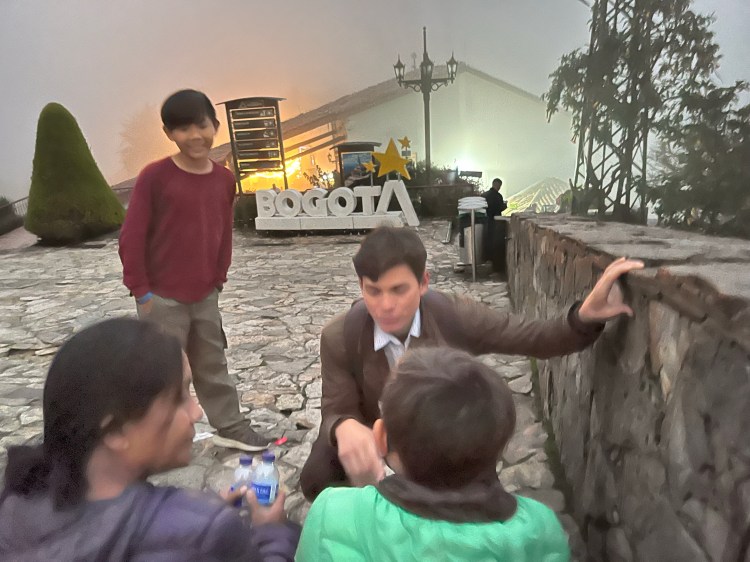
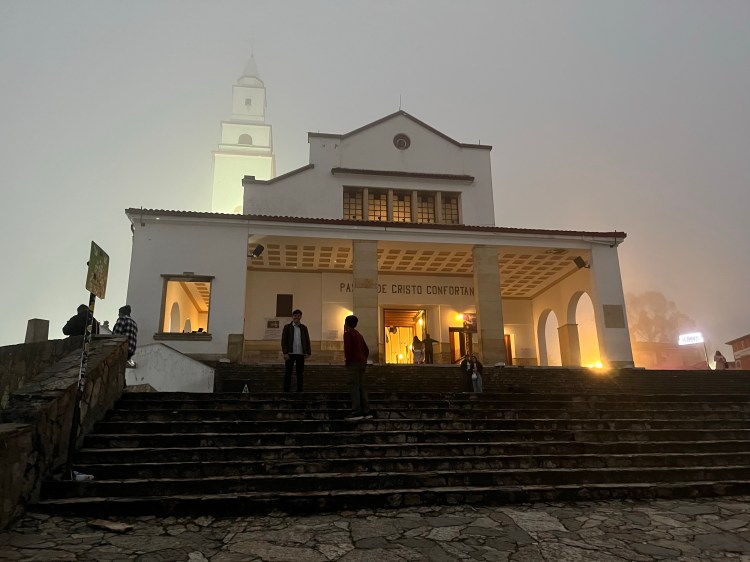
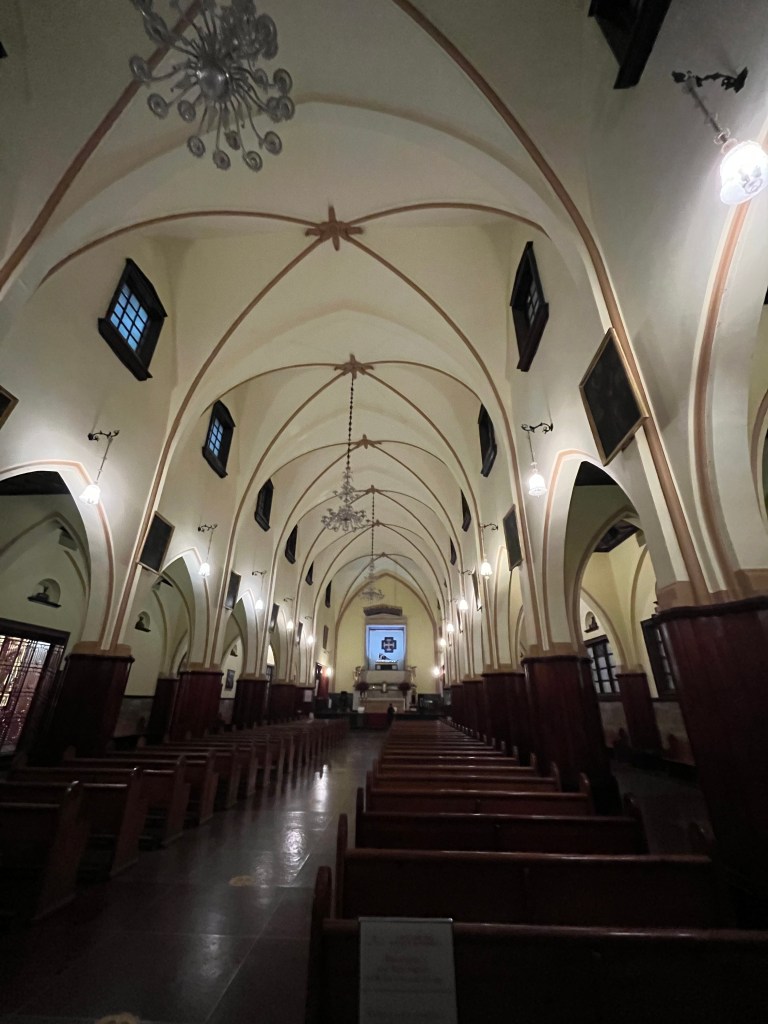
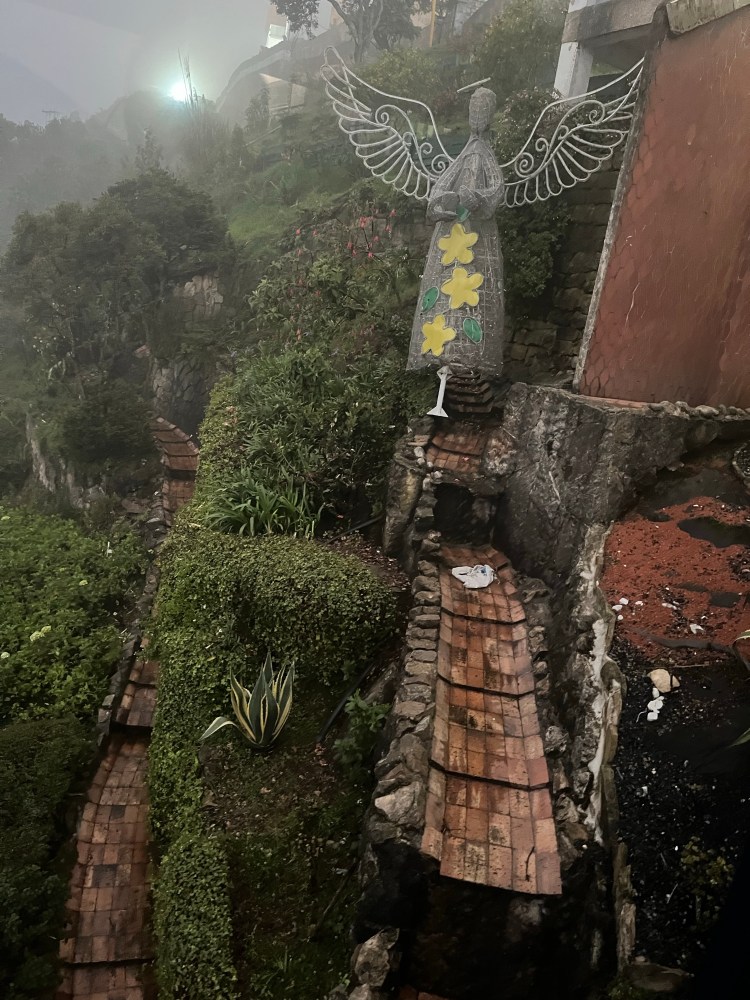
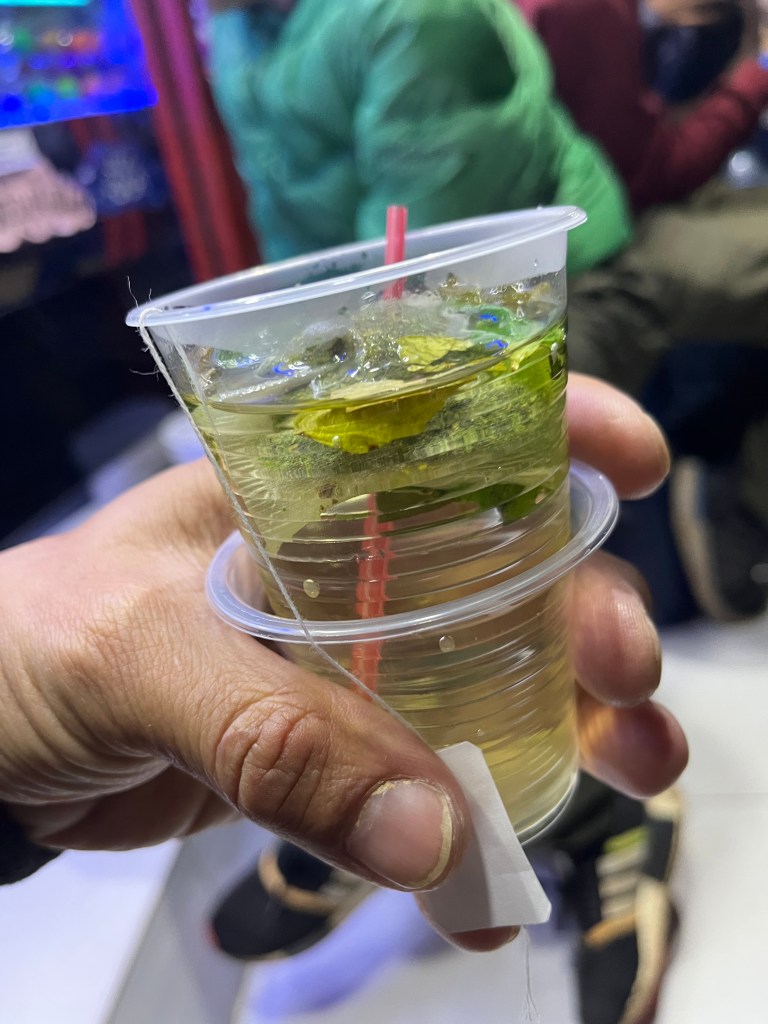
I would say the most interesting part of this was not the sanctuary but hanging out in the misty side alleys. As we got hungry we had a few snacks and drinks. What I liked about Alvaro is that he would talk story with all the stall owners. Coco tea pictured.
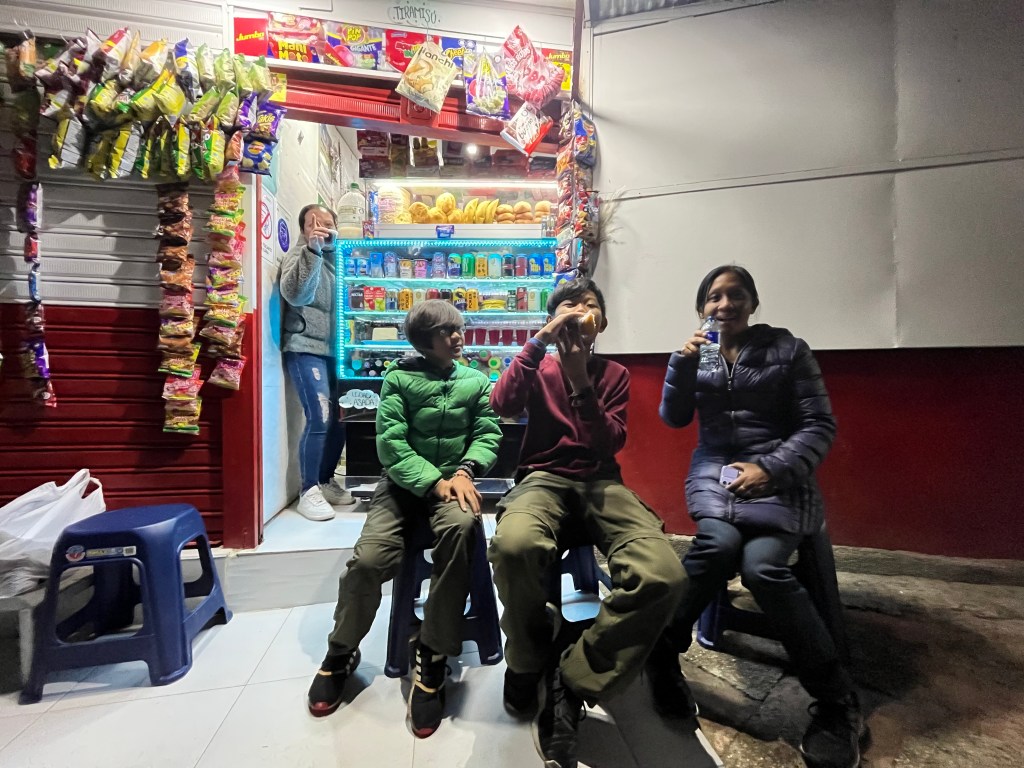
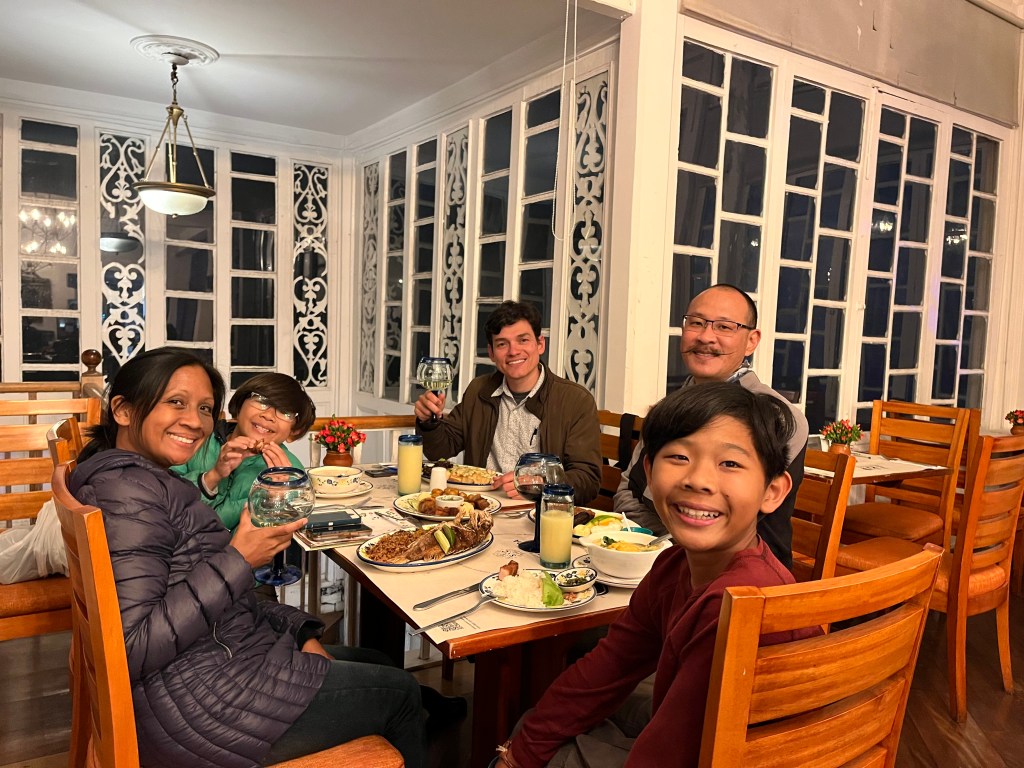
and eating at Casa Santa Clara, a French/Colombian restaurant.
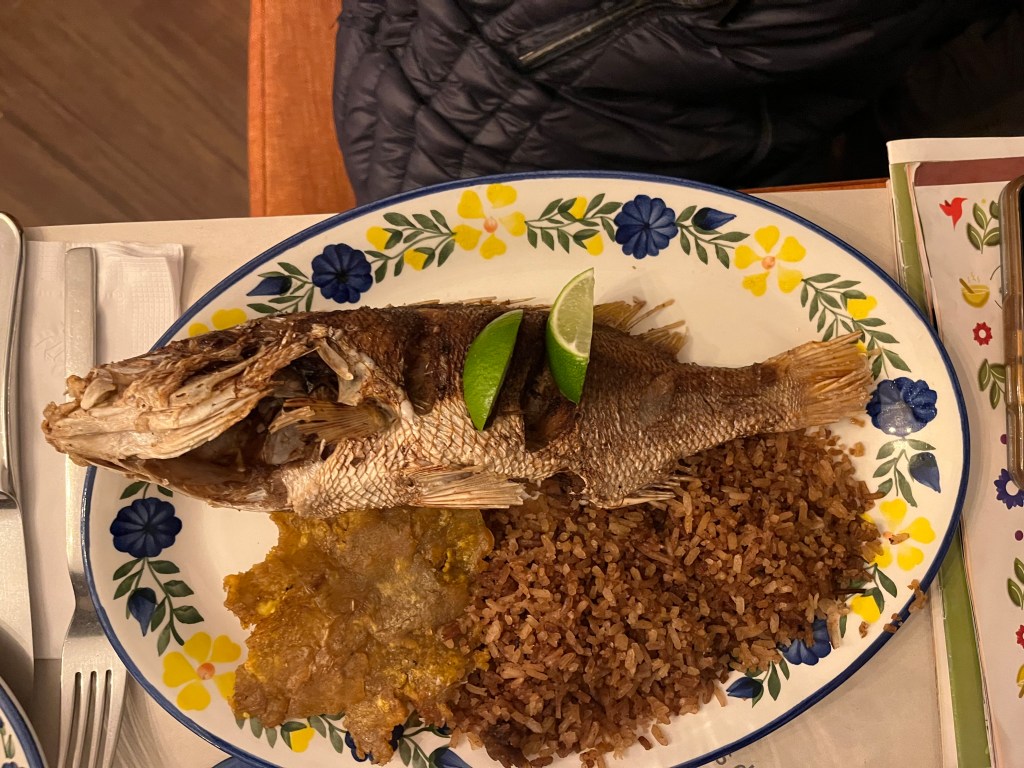
June attempted to tackle the deep fried fish. A bit dry if you ask me.
So much for the view from the top! Bye bye Bogota!
Takeaways
- The people and vibe-In the city I got lots of cold stares from the Bogota males. I found that if I didn’t break eye contact, that stare almost always evolved into the “what is up dude” head nod. My misunderstanding.
- Colombians love cheese. Lots of cheese.
- Bathrooms- there was a small charge to use some of the public restrooms. minuscule. Not all toilets had a seat so I had to sit on porcelain a few times! Bring your own TP just in case, and btw, used paper goes in a basket, not down the drain.
- I really had my doubts going into this trip as to what we’d encounter. I was imagining bullet ridden walls and ghettos but what I saw were hard working down to earth people who were just trying to eke out a post communist living in a second world city.
- Would return for more Amazon
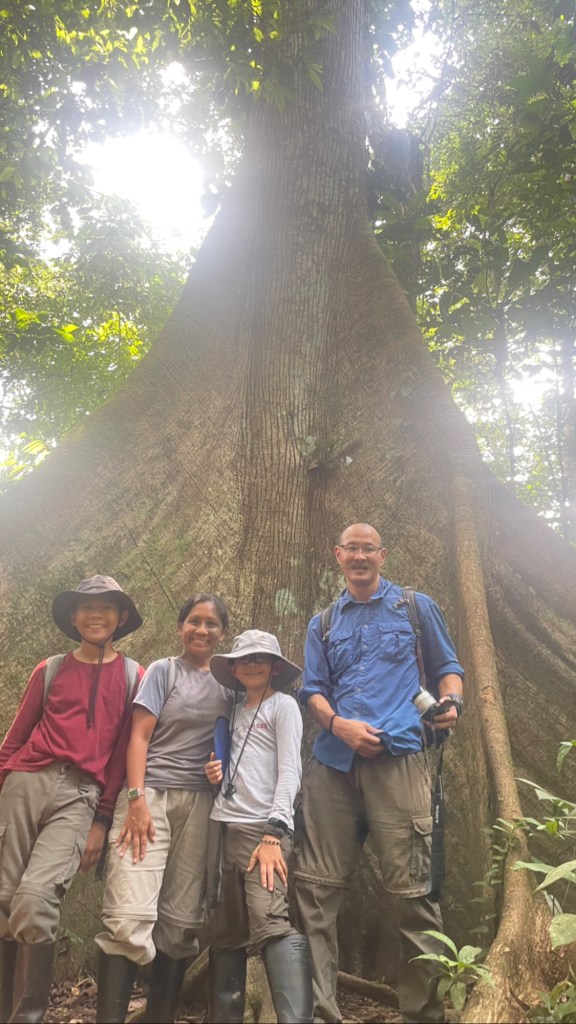
The communication tree. Hey, kind of like this blog!
 The WOO family page